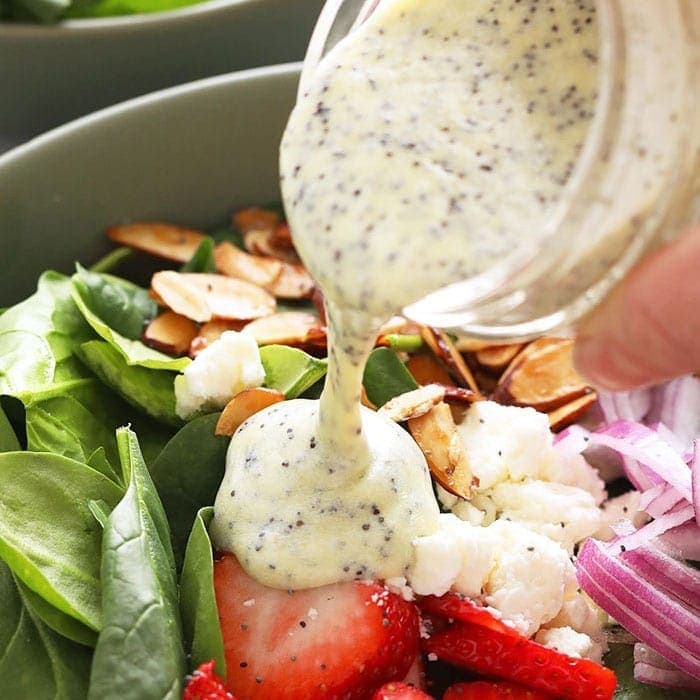
Unlocking Flavor: The Magic of Homemade Poppy Seed Dressing
Step into any popular restaurant, peruse a gourmet grocery aisle, or simply recall a memorable summer picnic, and chances are you've encountered the delightful charm of poppy seed dressing. Its distinctive sweet and tangy profile, coupled with a delightful crunch, has made it a beloved staple. While readily available in stores, there's an undeniable magic in creating your own homemade poppy seed dressing. It's a culinary endeavor that promises not only unparalleled freshness and flavor control but also opens up a world of versatile applications far beyond the traditional salad bowl.
Imagine a dressing that can be whipped up in mere minutes using ingredients likely already gracing your pantry. This isn't just a fantasy; it's the reality of a homemade poppy seed dressing. By crafting it yourself, you gain complete command over its sweetness, tanginess, and creamy texture, allowing you to tailor it perfectly to your palate and specific dishes. From brightening a simple bed of greens to becoming an unexpected hero in marinades and dips, this versatile condiment is about to become your new kitchen essential.
Why Opt for Homemade? The Undeniable Benefits of Crafting Your Own Poppy Seed Dressing
While convenience often beckons us towards store-bought options, the advantages of making your own homemade poppy seed dressing are compelling and significantly outweigh the minimal effort involved. It's an opportunity to elevate your cooking and truly understand what goes into your food.
- Unrivaled Freshness & Superior Flavor: Store-bought dressings, by necessity, contain preservatives and often sit on shelves for extended periods. A homemade version, made with fresh ingredients, delivers a vibrant, crisp flavor that simply can't be matched. The honey is sweeter, the vinegar tangier, and the poppy seeds retain their subtle nutty aroma more intensely.
- Complete Ingredient Control: This is arguably the biggest draw. You dictate every component. Want less sugar? Use less honey or a natural alternative. Prefer a lighter dressing? Increase the Greek yogurt ratio or opt for light mayonnaise. Concerned about additives? Eliminate them entirely! This control is especially valuable for those with dietary restrictions or specific health goals.
- Customization to Your Palate: Are you a fan of a bolder tang? Increase the vinegar. Crave more sweetness? Add an extra touch of honey. Like a thinner consistency? A splash of milk or buttermilk is all it takes. Making your own means the dressing perfectly reflects *your* ideal balance of sweet, tangy, and creamy, moving beyond a one-size-fits-all approach.
- Cost-Effectiveness: While an initial outlay for ingredients might seem higher, the per-serving cost of homemade dressing is often significantly lower than premium store-bought brands. Plus, you're likely using staples you already have, reducing waste and stretching your grocery budget further.
- Dietary Flexibility: Easily adapt the recipe to be gluten-free (ensure all ingredients are certified), dairy-free (use a dairy-free yogurt and mayo), or sugar-free (substitute honey with a natural sweetener like stevia or erythritol). This level of flexibility is rarely found in pre-made options.
The Anatomy of a Perfect Homemade Poppy Seed Dressing: Key Ingredients and Their Roles
At its heart, a truly exceptional homemade poppy seed dressing relies on a harmonious blend of simple yet powerful ingredients. Each component plays a crucial role in building the dressing's signature sweet, tangy, and creamy profile, punctuated by that delightful textural crunch.
Essential Building Blocks:
- Mayonnaise (1/2 cup): This is the foundation of creaminess and richness. It provides a luxurious base that emulsifies beautifully with the other ingredients, giving the dressing its smooth, luscious texture. For a lighter version, you can certainly opt for light mayonnaise.
- Plain Greek Yogurt (1/4 cup): A fantastic addition that introduces a lovely tang and helps lighten the dressing without sacrificing creaminess. Greek yogurt adds protein and a subtle, refreshing acidity, complementing the vinegar and balancing the sweetness. You can adjust the mayo-to-yogurt ratio to control richness and tang.
- Honey (3 tablespoons): The primary sweetener, honey offers a complex, natural sweetness that is far more nuanced than plain sugar. Its viscous texture also contributes to the dressing's body. Feel free to adjust the amount based on your preference or substitute with granulated sugar, maple syrup, or a sugar alternative.
- Apple Cider Vinegar (2 tablespoons): This is where the characteristic tang comes in. Apple cider vinegar (ACV) provides a fruity, mild acidity that brightens the dressing and cuts through the richness of the mayonnaise. White vinegar can be used as a direct substitute, or even fresh lemon juice for a different citrusy note.
- Poppy Seeds (1 tablespoon): The star of the show! These tiny seeds are not just for aesthetics; they provide that unique, satisfying crunch and a very subtle, earthy, nutty flavor that defines the dressing. Don't skip them!
- Salt and Pepper (to taste): Essential for seasoning and enhancing all the other flavors. A pinch of each goes a long way in bringing everything into balance.
- Milk or Buttermilk (optional): If you prefer a thinner consistency, a tablespoon or two of milk or buttermilk will help achieve your desired pourability without diluting the flavor too much. Buttermilk will also add an extra layer of tang.
Flavor Customization and Tips:
Part of the joy of making homemade poppy seed dressing is the ability to adapt it. Consider adding a touch of Dijon mustard for an extra layer of savory depth, or a whisper of onion powder for a subtle allium kick. For a brighter profile, a tiny zest of lemon can work wonders. Always taste as you go, and don't be afraid to experiment to find your perfect blend.
Crafting Your Own: A Simple Guide to Homemade Poppy Seed Dressing
Making your own homemade poppy seed dressing is remarkably straightforward, requiring minimal equipment and just a few minutes of your time. The process is simple, leading to a gourmet-quality dressing that will impress your taste buds.
The Easy Recipe:
- Combine the Base: In a medium-sized bowl, whisk together the mayonnaise, plain Greek yogurt, honey, and apple cider vinegar (or white vinegar). Ensure everything is well incorporated and smooth. This step creates the creamy, sweet, and tangy foundation of your dressing.
- Introduce the Stars: Gently stir in the poppy seeds, salt, and pepper. Whisk again until the poppy seeds are evenly distributed throughout the mixture.
- Adjust Consistency (Optional): If you find the dressing too thick for your liking, add milk or buttermilk, one tablespoon at a time, whisking well after each addition, until you reach your desired pourable consistency. Remember, it's easier to thin it out than to thicken it.
- Chill to Perfection: For the flavors to truly meld and deepen, cover the bowl and refrigerate the dressing for at least 30 minutes before serving. Chilling also allows the dressing to thicken slightly, creating a more luxurious texture.
For more detailed step-by-step instructions and specific measurements, you might find inspiration from classic renditions like Barefoot Contessa's Poppy Seed Dressing: Sweet & Tangy Recipe, known for its elegant simplicity.
Storage and Shelf Life:
When stored in an airtight container in the refrigerator, your homemade poppy seed dressing will typically last for 7-10 days. The presence of fresh yogurt means it doesn't have the extended shelf life of store-bought versions, but its superior flavor makes it well worth the shorter storage period.
Beyond the Bowl: Innovative Uses for Your Versatile Homemade Poppy Seed Dressing
While homemade poppy seed dressing shines brightly on a fresh salad, its versatility extends far beyond. Its unique sweet, tangy, and creamy profile makes it a fantastic culinary chameleon, ready to elevate a multitude of dishes. This is where its true "beyond salad" potential comes to life.
Classic Salad Pairings:
Naturally, this dressing is a match made in heaven for a variety of salads:
- Fruit-Forward Salads: Toss with mixed greens, fresh strawberries, blueberries, mandarin oranges, grapes, and toasted pecans or walnuts. The dressing's sweetness perfectly complements the fruit.
- Spinach & Greens: A simple spinach salad with red onion, hard-boiled eggs, and crumbled bacon gets an instant upgrade.
- Chicken or Salmon Salads: Drizzle over grilled chicken or salmon for a light, refreshing meal. It pairs beautifully with a protein-rich salad featuring mixed greens, cherry tomatoes, and cucumber.
- Cruciferous Salads: Broccoli salad or a light coleslaw (with shredded cabbage and carrots) benefits greatly from its creamy texture and zesty flavor.
- Cheese Combos: Try it with salads featuring creamy goat cheese or salty feta for a delightful contrast.
Creative Culinary Applications:
Now, let's explore its incredible versatility beyond the greens:
- Marinade for Poultry & Pork: The vinegar and honey in the dressing make it an excellent tenderizer and flavor infuser for chicken breasts, pork tenderloin, or even fish. Marinate for at least 30 minutes, then grill, bake, or pan-sear.
- Dipping Sauce Extraordinaire: Forget plain ranch! Serve your homemade poppy seed dressing as a dip for fresh vegetable sticks (carrots, celery, bell peppers, cucumber), grilled chicken tenders, shrimp skewers, or even fruit platters. It's a crowd-pleasing alternative.
- Sandwich & Wrap Spread: Ditch the mundane mayonnaise and mustard. Spread a thin layer of poppy seed dressing on your sandwiches, wraps, or pita pockets for a burst of unexpected flavor. It works wonderfully with turkey, chicken, or even a vegetarian sandwich packed with fresh veggies.
- Potato Salad or Pasta Salad Twist: For a lighter, tangier, and more unique potato or pasta salad, use poppy seed dressing instead of traditional mayo-heavy options. It's especially good with salads featuring ingredients like apples, grapes, or celery.
- Drizzling over Roasted Vegetables: Finish off a plate of roasted sweet potatoes, carrots, or asparagus with a light drizzle of the dressing post-roasting for a sweet and savory kick.
- Fruit Bowl Enhancer: A simple bowl of fresh fruit (berries, melon, peaches) can be transformed into a gourmet dessert or brunch item with a generous dollop of this dressing. It acts as a delightful, creamy glaze.
Each of these applications highlights how a seemingly simple homemade poppy seed dressing can be a secret weapon in your culinary arsenal, ready to impart its delightful character wherever it goes.
Conclusion
From its humble origins as a sweet and tangy salad topper, homemade poppy seed dressing reveals itself to be a true kitchen marvel. Effortless to prepare, endlessly customizable, and bursting with fresh flavor, it's a testament to how simple ingredients can create something truly extraordinary. Moving beyond the confines of the salad bowl, its versatility as a marinade, dip, spread, or even a creative finish to roasted vegetables demonstrates its immense potential. By taking just a few minutes to craft this delightful condiment yourself, you not only gain control over your ingredients but also unlock a world of culinary possibilities, making every meal a little more exciting and flavorful. So, whisk up a batch today and discover the sweet, tangy, and undeniably versatile magic of homemade poppy seed dressing.
